Why Is It Worth Stocking Your Freezer for Winter?
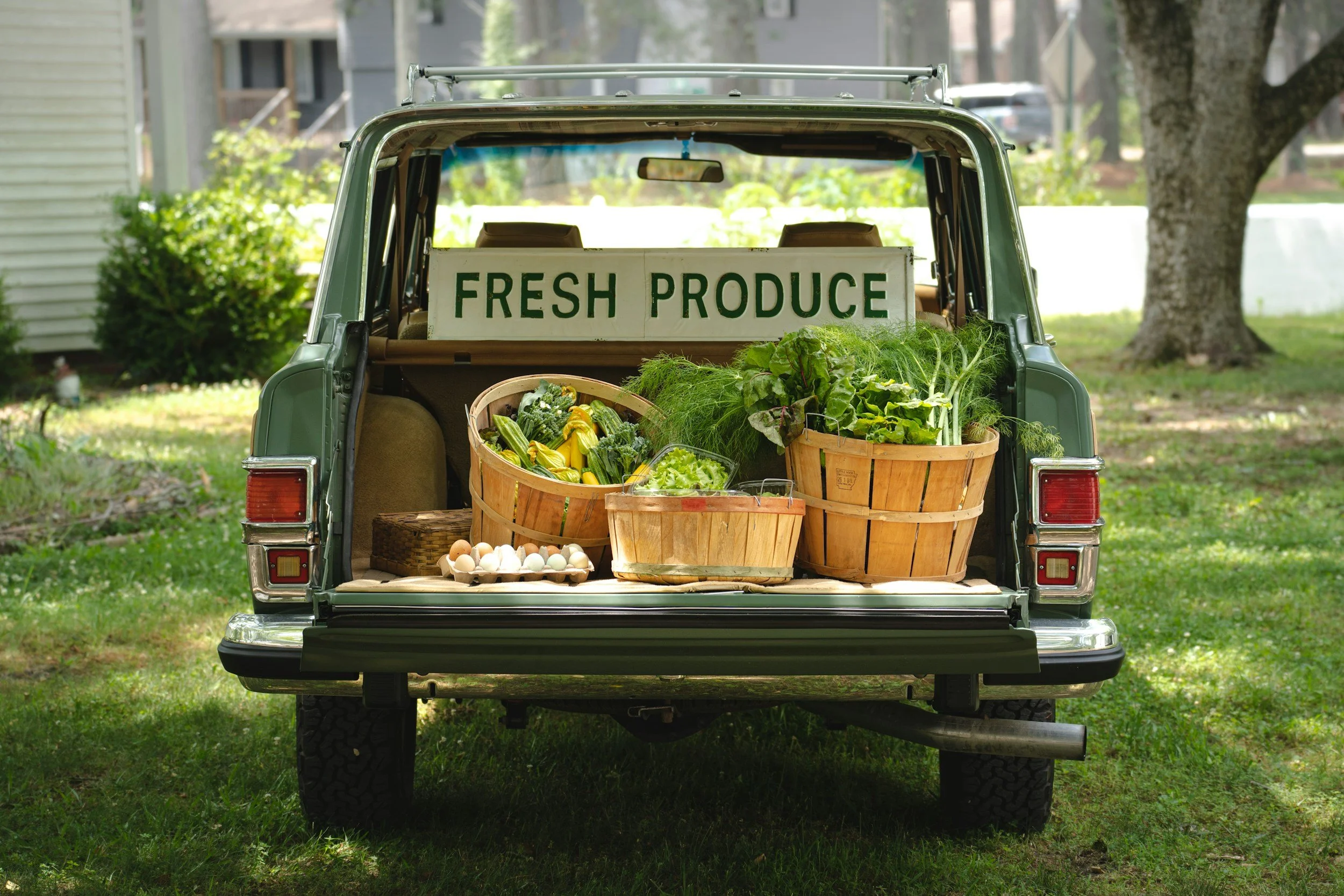
Stocking your freezer with local foods does more than support your local economy and sustainable agriculture — it ensures you have access to clean, unsprayed produce and ethically raised proteins all winter long. You also save so much money by purchasing food when it’s in season, abundant, and at its most affordable! Without import costs, long-distance transportation, or multiple middlemen, your food is fresher, more ethical, and far more cost-effective.
Let’s break down
Here is a list of what is usually available (in Minnesota at least) during the three main parts of the growing season:
1. Early Season Produce (May and June)
Garlic Scapes and Garlic
Green Onions
Early Greens (Spinach, Arugula, Pea Shoots)
Asparagus
Carrots with Greens
Radishes and Hakurei Turnips
Rhubarb
Strawberries
Basil, Parsley, Cilantro
2. Mid-Season Produce (July and August)
Kale, Spinach, Swiss Chard
Carrots and Beets
Sweet, White, and Red Onions
Tomatoes and Peppers
Zucchini and Summer Squash
Blueberries, Raspberries
Crab Apples
Early Sweet Corn
Thyme and Lavender
Basil, Parsley, and Cilantro
3. Late Season Produce (September and October)
Apples
Cabbage
Kale and Swiss Chard
Carrots, Beets, and Parsnips
Squashes (Butternut, Delicata, Acorn, Spaghetti Squash, etc.)
Pumpkins
Onions
Potatoes
Sweet Potatoes
Sweet Corn
4. Local Proteins
Local poultry, beef, pork, or lamb
Bone broth or soup bones
5. Local Dairy & Fats
Milk & Yogurt
Butter
Local cow and goat cheeses
Suggested Ideas with What to Freeze
Pre-Prepped Meals like:
Butternut Squash Curry
Carrot or Beet Hummus
Chili, Ratatouille, or Other Vegetable Stews
Sauces:
Delicata Squash Mac & Cheese Sauce
Tomato Sauce and Meat Ragus
Garlic Scape/ Basil/ Kale Pesto
Raw Greens
Radish, Turnip, and Beet Greens (For Smoothies)
Spinach (For Pureed Soups)
Raw Fruits
Single-Layered Berries (Blueberries, Raspberries, and Strawberries)
Crab Apple/ Apple Juice Preserved with Lemon Juice
Rhubarb Sauce/ Peeled, Chopped, and Frozen Rhubarb
Quick Breads and Muffins
Pumpkin Bread or Muffins
Zucchini Chocolate Chip Bread
Meat
Broth/ Meat Stock Bones
Broken Down Chicken
Braised Pork and Lamb
Braised or Stewed Beef
Freezer Organization Tips
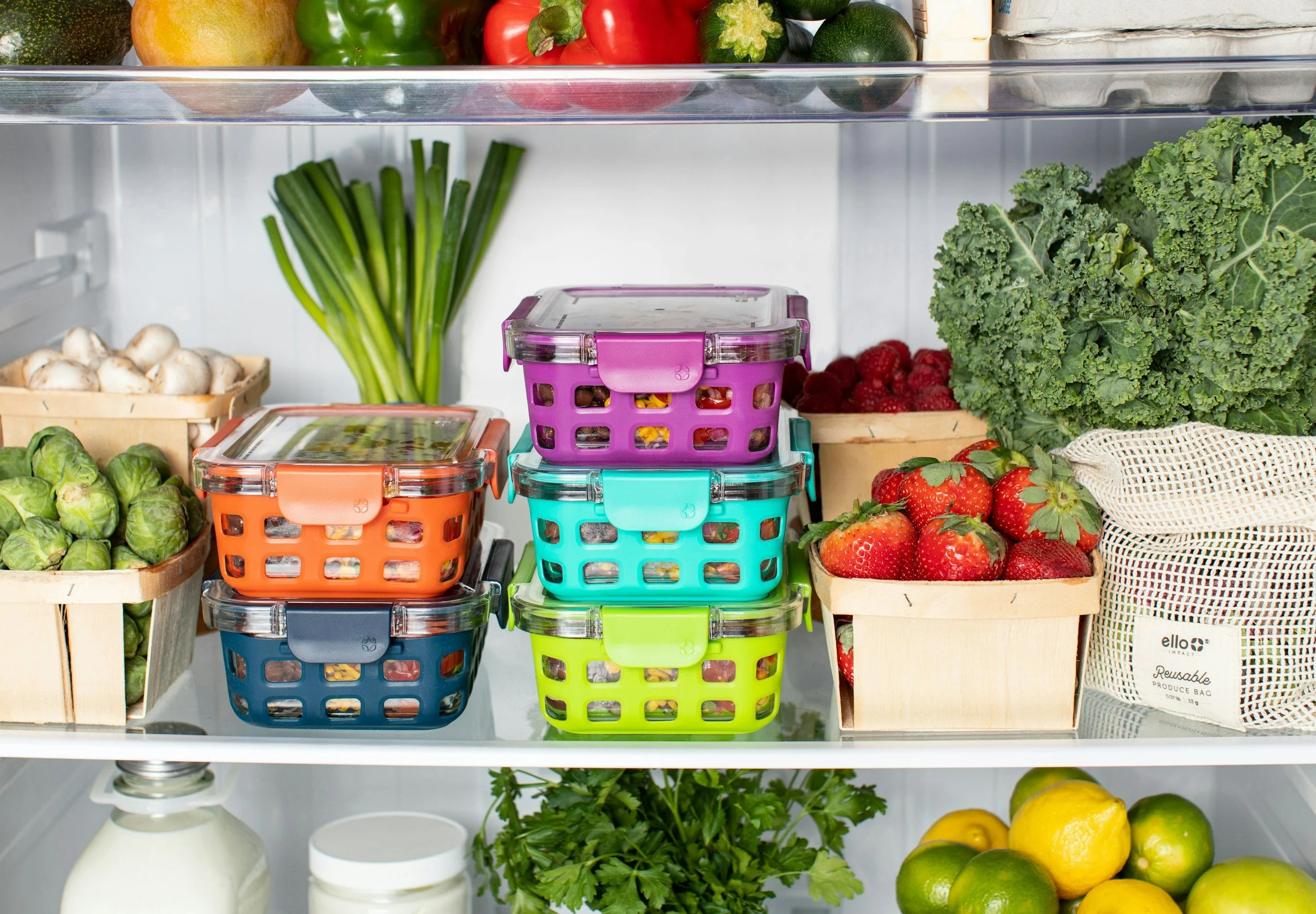
Dedicate one drawer to frozen meals. Freeze the items flat and labeled with the date when the item was made.
Dedicate the top shelf to any whole fruits or vegetables you wish to freeze. Make sure they are laid flat and completely dry before freezing.
Because the greens will be easy to crush when frozen, I recommend cutting them before freezing and placing them in zip lock bags with some air and then in the freezer door or an area where they will not be crushed.
Keep any baked goods you make on the same shelf! If you're like me and bake a lot of bread in the winter, you can halve the loaves and plastic wrap and then zip lock them with the date and use throughout the spring as your activity load picks up!
Keep track of how many portions you make of each item. This will help you keep track of how many meals you make and freeze so you don't over or underdo it.
Why It Matters
Stocking your fridge with local food:
Supports farmers year-round
Reduces your environmental footprint
Reduces food cost during the winter
Reduces needed meal preparation during the winter
Increases nutrient density and freshness by buying locally and seasonally
Builds food resilience and community
Gets us all away from global food systems that we are currently reliant on every time we purchase food in a grocery store
Winter nourishment doesn't have to be based on what you can get from the grocery store. It can be based on what you have access to locally during the growing season!
If you are willing to prep a bit extra and take the time to freeze, you have the power to eat whatever you want anytime of the year!